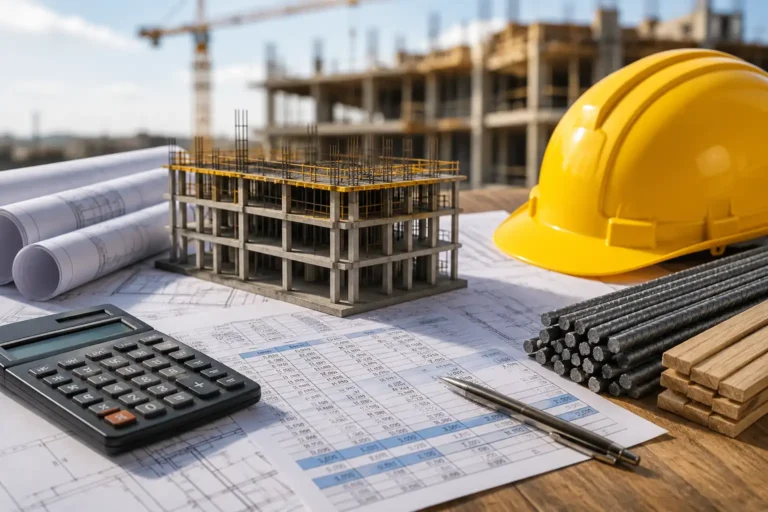
When planning a construction project, understanding the difference between a material takeoff and a construction estimate is essential for controlling costs, reducing waste, and improving project outcomes. Many contractors, builders, developers, and homeowners in the USA often use these terms interchangeably, but they serve different purposes in the preconstruction process.
The debate around material takeoff vs construction estimate in USA is especially important because accurate budgeting and procurement decisions depend on understanding both. While a material takeoff focuses on identifying and quantifying materials required for a project, a construction estimate calculates the total anticipated cost, including materials, labor, equipment, overhead, and profit.
Whether you are bidding on a commercial project, planning a residential build, or managing procurement, understanding these two processes can help you make informed decisions and avoid costly mistakes.
What Is a Material Takeoff?
A material takeoff (MTO) is the process of identifying, measuring, and listing all materials required to complete a construction project.
The purpose of a material takeoff is to determine the exact quantities of materials needed before purchasing or ordering supplies.
Information Included in a Material Takeoff
A typical material takeoff includes:
- Concrete quantities
- Lumber requirements
- Steel reinforcement
- Drywall sheets
- Flooring materials
- Roofing materials
- Plumbing fixtures
- Electrical components
- Paint quantities
- Masonry materials
Material takeoffs are generally created using construction drawings, blueprints, specifications, and architectural plans.
Why Material Takeoffs Matter
Accurate material takeoffs help contractors:
- Reduce material waste
- Improve procurement planning
- Avoid over-ordering
- Prevent project delays
- Increase bidding accuracy
- Improve project profitability
For projects requiring professional quantity calculations, businesses often use specialized Material Takeoff Services to improve accuracy and efficiency.
What Is a Construction Estimate?
A construction estimate is a comprehensive calculation of the total expected cost of a construction project.
Unlike a material takeoff, a construction estimate goes beyond material quantities and includes all costs associated with completing the project.
Components of a Construction Estimate
Construction estimates generally include:
- Material costs
- Labor costs
- Equipment costs
- Subcontractor costs
- Permits and fees
- Overhead expenses
- Contingency allowances
- Profit margins
The goal of a construction estimate is to determine the total project budget and provide a realistic cost forecast.
Why Construction Estimates Are Important
Construction estimates help:
- Establish project budgets
- Prepare competitive bids
- Evaluate project feasibility
- Secure financing
- Manage cash flow
- Control project costs
Accurate estimating is critical in the USA construction industry, where material prices and labor costs frequently fluctuate.
Material Takeoff vs Construction Estimate in USA: Key Differences
Although both processes are related, they serve different functions.
| Factor | Material Takeoff | Construction Estimate |
|---|---|---|
| Purpose | Determine material quantities | Determine total project cost |
| Focus | Materials only | Complete project expenses |
| Includes Labor | No | Yes |
| Includes Equipment | No | Yes |
| Includes Overhead | No | Yes |
| Includes Profit Margin | No | Yes |
| Used For | Procurement and quantity verification | Budgeting and bidding |
| Output | Material list and quantities | Total project cost estimate |
The easiest way to understand material takeoff vs construction estimate in USA is that the takeoff tells you what materials you need, while the estimate tells you how much the entire project will cost.
How Material Takeoffs Support Construction Estimates
Material takeoffs are often the foundation of construction estimates.
Estimators typically begin by performing a detailed takeoff and then apply current market pricing to determine material costs.
After pricing materials, they add:
- Labor expenses
- Equipment costs
- Subcontractor costs
- General conditions
- Overhead
- Profit margins
Without an accurate takeoff, the final estimate can become unreliable.
Example
Suppose a commercial office project requires:
- 5,000 square feet of drywall
- 3,000 square feet of flooring
- 120 cubic yards of concrete
The material takeoff identifies these quantities.
The construction estimate then calculates:
- Cost of drywall
- Installation labor
- Equipment rentals
- Supervision costs
- Contractor profit
This produces the final project budget.
When Do You Need a Material Takeoff?
A material takeoff is beneficial when:
Preparing Supplier Orders
Contractors need accurate quantities before purchasing materials.
Checking Material Requirements
Project managers use takeoffs to verify procurement plans.
Reducing Waste
Accurate quantities minimize excess purchases.
Improving Bid Accuracy
A detailed takeoff improves pricing precision during bid preparation.
Comparing Vendor Quotes
Material quantities allow contractors to compare supplier pricing more effectively.
When Do You Need a Construction Estimate?
A construction estimate is essential when:
Preparing Project Budgets
Owners need realistic project costs before construction begins.
Submitting Competitive Bids
Contractors require accurate pricing to win projects profitably.
Securing Financing
Banks and investors often request project cost estimates.
Evaluating Feasibility
Developers use estimates to assess project viability.
Managing Risk
Detailed estimates help identify potential cost overruns.
Benefits of Accurate Material Takeoffs
Better Cost Control
Accurate quantities prevent unnecessary spending.
Improved Procurement
Ordering becomes more efficient and organized.
Reduced Project Delays
Materials arrive on time and in correct quantities.
Increased Profitability
Lower waste results in higher profit margins.
Enhanced Project Planning
Project managers can coordinate deliveries more effectively.
Benefits of Accurate Construction Estimates
Reliable Budget Forecasting
Stakeholders gain confidence in project costs.
Stronger Bid Competitiveness
Accurate estimates improve bid positioning.
Better Resource Allocation
Labor and equipment can be planned efficiently.
Improved Cash Flow Management
Project financing becomes more predictable.
Reduced Financial Risk
Potential cost overruns can be identified early.
Common Mistakes Contractors Make
Confusing Takeoffs with Estimates
Many contractors assume a takeoff includes total project costs.
Using Outdated Pricing
Material prices change rapidly across the USA.
Ignoring Labor Productivity
Labor efficiency significantly impacts final costs.
Incomplete Drawing Reviews
Missing details can create inaccurate quantities.
Lack of Quality Control
Errors in takeoffs often lead to expensive estimating mistakes.
Technology Used for Material Takeoffs and Construction Estimates
Modern construction professionals use advanced software solutions.
Popular tools include:
- PlanSwift
- Bluebeam Revu
- STACK
- On-Screen Takeoff
- Trimble Estimation
- RSMeans
- Sage Estimating
These platforms improve speed, consistency, and accuracy.
Why Accurate Preconstruction Planning Matters in the USA
The USA construction industry faces challenges such as:
- Material price fluctuations
- Labor shortages
- Supply chain disruptions
- Tight project schedules
- Competitive bidding environments
Because of these factors, contractors increasingly rely on professional estimating and takeoff services.
For a broader understanding of project budgeting and cost forecasting, read our comprehensive guide on Construction Cost Estimating in the USA.
Why Contractors Trust EstimateLift
Accurate estimating and takeoff services help contractors bid confidently and manage projects efficiently.
Estimate Lift provides professional construction estimating and material takeoff solutions tailored to residential, commercial, and industrial projects throughout the USA.
Material Takeoff vs Construction Estimate in USA: Final Thoughts
Understanding material takeoff vs construction estimate in USA is critical for successful project planning and execution. While a material takeoff focuses on identifying and quantifying materials needed for a project, a construction estimate determines the complete project cost by incorporating materials, labor, equipment, overhead, and profit.
Both processes work together to improve bidding accuracy, budget control, procurement planning, and project profitability. Contractors, builders, developers, and property owners who understand the relationship between material takeoffs and construction estimates are better positioned to make informed decisions and reduce financial risk throughout the construction lifecycle.
Frequently Asked Questions
1. What is the difference between a material takeoff and a construction estimate?
A material takeoff identifies material quantities, while a construction estimate calculates the total project cost.
2. Is a material takeoff included in a construction estimate?
Yes. Material takeoffs typically serve as the foundation for construction estimates.
3. Which comes first, a takeoff or an estimate?
A material takeoff usually comes first before cost calculations are performed.
4. Why is a material takeoff important?
It helps contractors determine exact material quantities and reduce waste.
5. Can I create a construction estimate without a takeoff?
While possible, it significantly reduces accuracy and increases risk.
6. What software is used for material takeoffs?
Popular tools include PlanSwift, Bluebeam, STACK, and On-Screen Takeoff.
7. What is included in a construction estimate?
Materials, labor, equipment, subcontractors, overhead, contingencies, and profit margins.
8. How accurate should a material takeoff be?
Professional takeoffs aim for the highest possible accuracy based on project drawings and specifications.
9. Who uses material takeoff services?
General contractors, subcontractors, builders, developers, architects, and project managers.
10. Why is understanding material takeoff vs construction estimate in USA important?
It helps improve budgeting, bidding accuracy, procurement planning, and project profitability.

Estimate Lift is a trusted construction estimating and takeoff partner serving contractors, builders, and developers across the United States. We provide accurate cost estimates, detailed quantity takeoffs, and bid support services to help construction professionals plan projects, control costs, and submit competitive bids with confidence.